Books and Essays
Introduction to Writing
I’ve enjoyed writing stories my whole life, but until recently, I didn’t think I had the talent or the time to commit to serious creative writing. I now see that writing is both a craft and an art, one that takes time and one that leads you into learning what you need to know if you are open to the process. I’m excited by the potential of using stories to influence people and culture.
As my research and clinical career has veered further from traditional paths, I’m seeing the limitations of the academic medical paradigm in taking an observation to move standards of care. There are certain problems where doing research and publishing scientific manuscripts is absolutely essential, and the quickest way toward change. However, there are other situations–for example, helping both doctors and patients to drop the restrictions of their roles to have more meaningful and healing conversations–that may be best approached directly through the power of words, ideas, stories, and metaphors.

Books
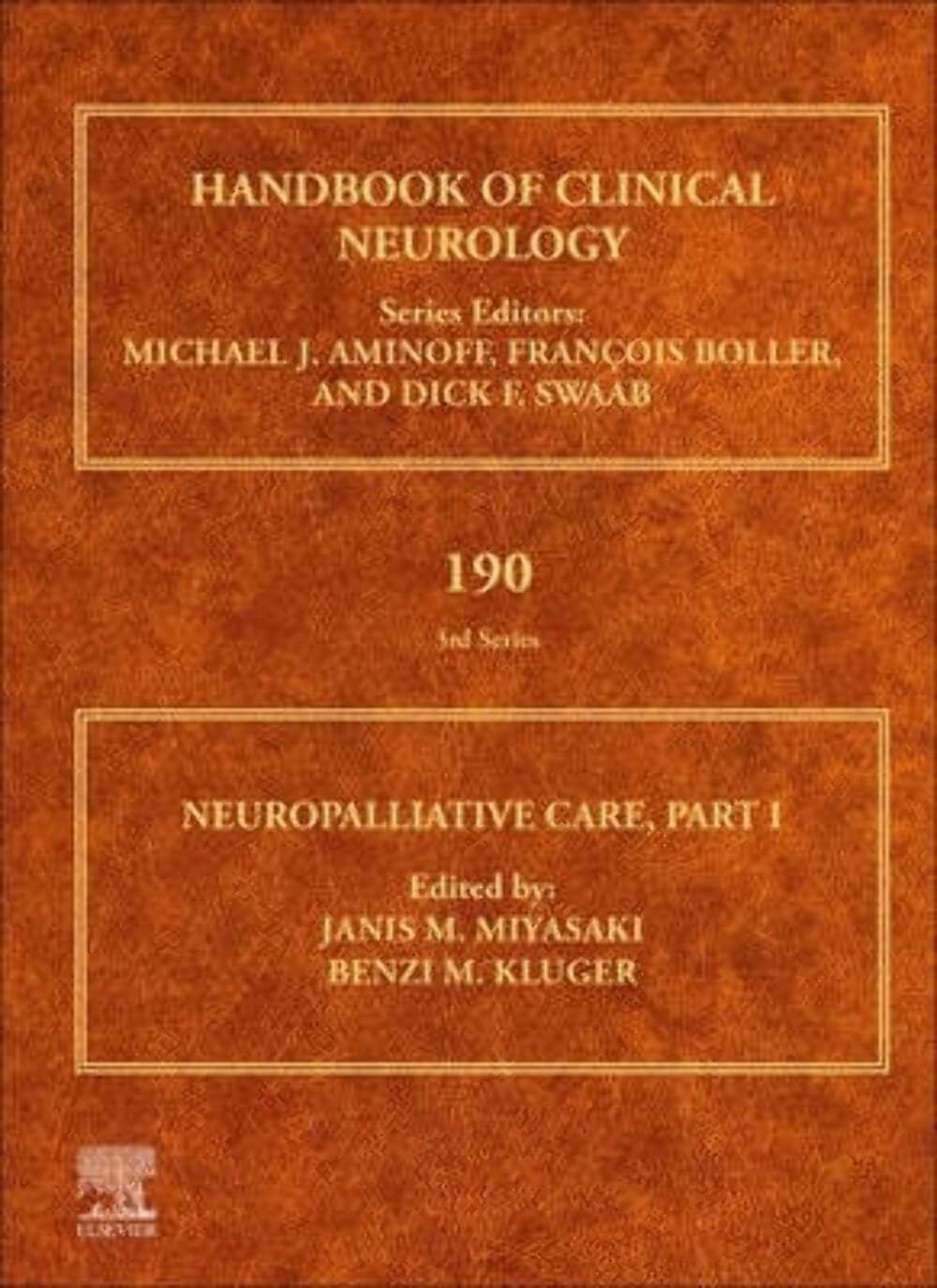
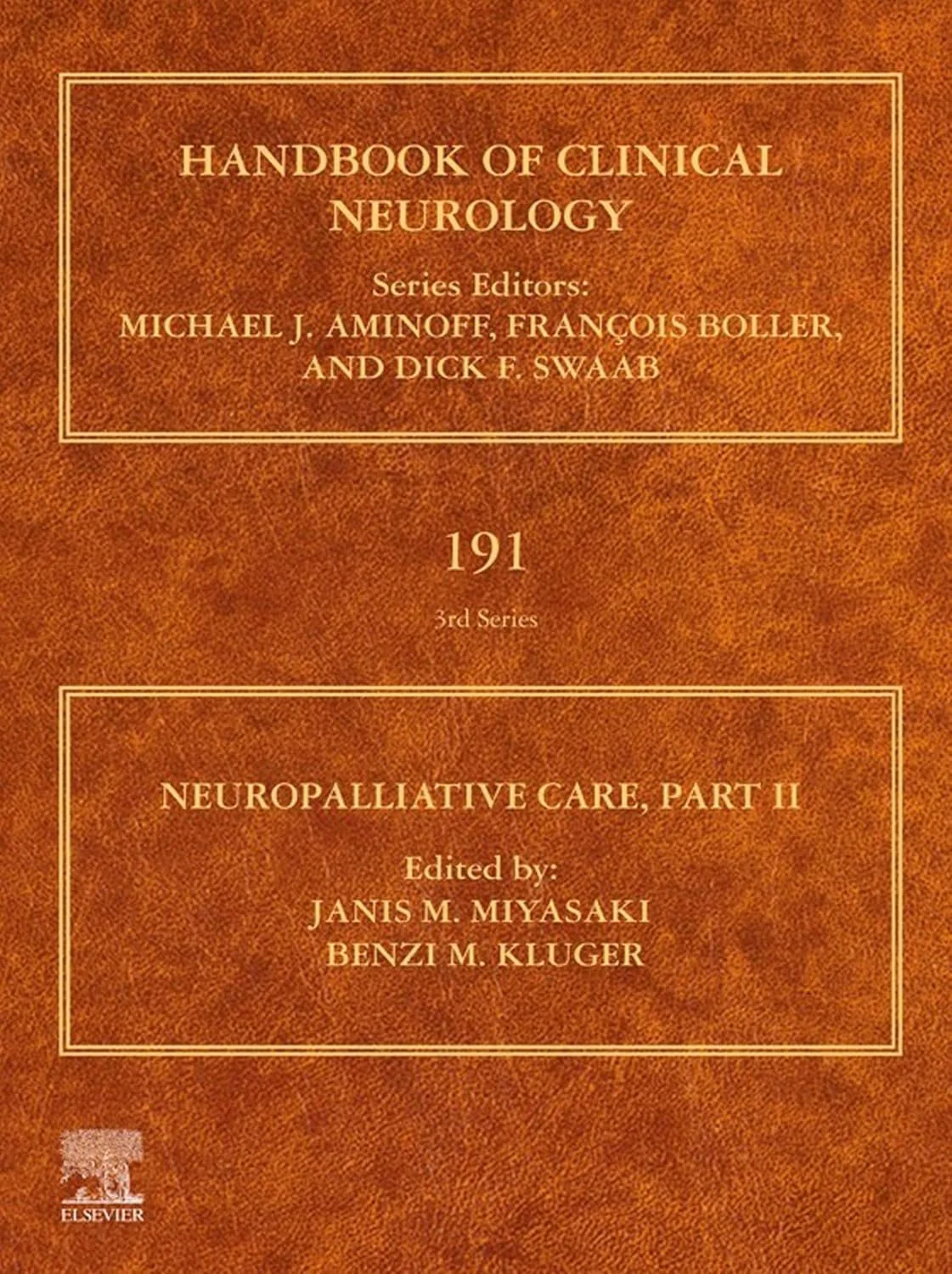
Neuropalliative Care: Parts I & II (Handbook of Clinical Neurology, Volumes 190 - 191)
Neuropalliative Care covers a type of care that is given when there is no cure for the neurological disorder and the patient is in distress. It provides a scholarly background of neuropalliative care, from historic underpinnings to its practice in various geographical regions, along with best practices for specific neurological disorders. It covers the work of multi or interdisciplinary teams whose care is intended to make the patient as comfortable as possible and includes partners and families in treatment plans.
Summarizes research in neuropalliative care
Identifies current practices in different geographic regions
Provides best practices for specific neurological disorders and patient populations
Includes advanced care planning
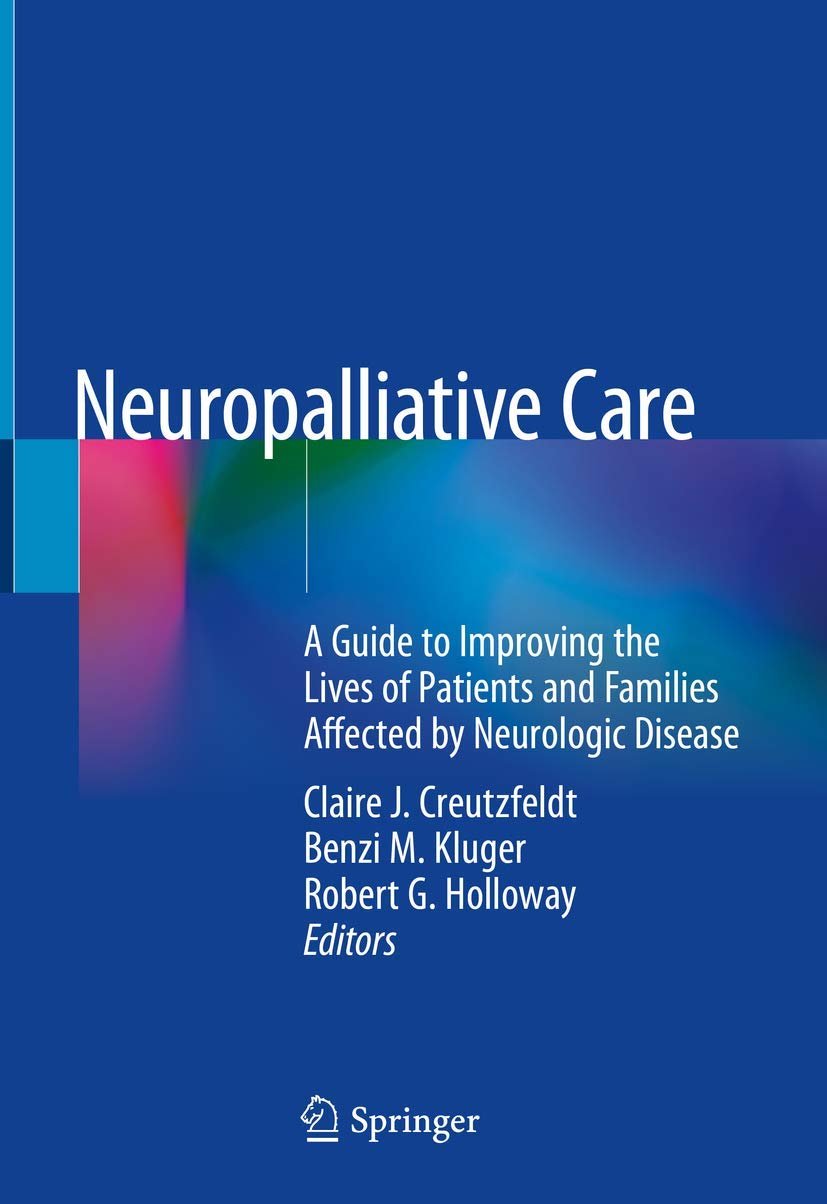
Neuropalliative Care: A Guide to Improving the Lives of Patients and Families Affected by Neurologic Disease
This comprehensive guide thoroughly covers all aspects of neuropalliative care, from symptom-specific considerations, to improving communication between clinicians, patients and families. Neuropalliative Care: A Guide to Improving the Lives of Patients and Families Affected by Neurologic Disease addresses clinical considerations for diseases such as dementia, multiple sclerosis, and severe acute brain injury, as well discussing the other challenges facing palliative care patients that are not currently sufficiently met under current models of care. This includes methods of effective communication, supporting the caregiver, how to make difficult treatment decisions in the face of uncertainty, managing grief, guilt and anger, and treating the pain itself.
Written by leaders in the field of neuropalliative care, this book is an exceptional, well-rounded resource of neuropalliative care, serving as a reference for all clinicians caring for patients with neurological disease and their families: neurologists and palliative care specialists, physicians, nurses, chaplains, social workers, as well as trainees in these areas.
COMING SOON: Navigating Life with Neurologic Illness
This book, which will be part of the American Academy of Neurology's Navigating series for patients is under contract with Oxford University Press (OUP). Janis Miyasaki (co-author) and I are almost ready to submit to OUP a complete and improved second draft with help from friend and editorial consultant Matt Zepelin. We will keep you updated on status including when we have an estimated release date.
IN PROGRESS: Dangerous and Expensive Bullshit
Reclaiming power over your health in the misinformation age.
This book is the culmination of a journey that began with my trying to understand the appeal of snake oil, scams, and hoaxes–what I would call medical bullshit–and to develop some kind of defense against bullshit. When I started this journey, it seemed that the problem was simply one of calling out certain fake cures as bullshit and explaining why it was bullshit. But as I got deeper into this project, I saw that this wouldn’t work for several reasons.
First, there is new bullshit happening all of the time. As soon as I completed this book, it would be out of date. We are seeing this phenomenon big time with all of the misinformation coming out around coronavirus.
Second, if we define medical bullshit as healthcare professionals (or pseudo-professionals) trying to sell medical products to people who don’t want or need them, we can see that this isn’t just a problem with a few fringe quacks. This is a multi-billion-dollar industry that includes supplement manufacturers, many diet and other health books, and a wide range of alternative medicine clinics.
Third, if we define medical bullshit as care that is overly expensive and potentially dangerous to the people it is supposed to help, we must also take a careful look at mainstream medicine, including pharmaceutical companies, surgeons, and doctors.
I believe the fundamental problem here is that healthcare has been built around a model where experts have all of the knowledge and power (the expertocracy) and everyone else is dependent upon these experts for health advice and the treatment of illness. This, of course, is very advantageous for people in the expertocracy; it leaves most of us vulnerable to being led into potentially regrettable decisions by experts who don’t know us or our values and being exploited by fake experts who are interested only in our money.
This book is about taking your power back.
This book will teach you to:
Determine whether the latest miracle diet is worth pursuing
Speak the language of doctors and surgeons
Find the latest research on health conditions affecting you or your loved ones
Understand the differences between a real expert and a dangerous quack
Serve as an effective advocate for your loved ones when they are in the hospital
Use your deepest values to guide sound decisions around serious issues such as surgery and chemotherapy
Avoid supposedly miraculous treatments that may actually worsen your health
Assume responsibility as the leading expert on your own health